Expert Insights: Trends in Networking Solutions
Introduction to Networking Trends
In today's rapidly evolving technological landscape, networking solutions are at the forefront of innovation. Businesses are seeking advanced strategies to improve connectivity, efficiency, and security. Understanding the latest trends in networking can provide a competitive edge, ensuring that organizations remain agile and responsive to market demands.

Adoption of 5G Technology
One of the most significant trends is the adoption of 5G technology. This next-generation wireless network promises faster speeds, reduced latency, and enhanced connectivity. Industries such as healthcare, manufacturing, and transportation are leveraging 5G to facilitate real-time data exchange and improve operational efficiency.
Impact on Businesses
The impact of 5G is transformative. Businesses can now deploy IoT devices at scale, supporting innovations in smart cities and autonomous vehicles. The increased bandwidth and reliability of 5G networks are pivotal in driving these technological advancements.

Rise of Software-Defined Networking (SDN)
Software-Defined Networking (SDN) is revolutionizing how networks are managed. By decoupling the control plane from the data plane, SDN offers a more flexible and agile approach to network management. This trend is crucial for businesses looking to optimize their networks for cloud computing and big data applications.
Benefits of SDN
Some key benefits of SDN include:
- Increased Flexibility: Customize network configurations on demand.
- Cost Efficiency: Reduce hardware costs through virtualization.
- Enhanced Security: Implement centralized security policies.

Edge Computing and Networking
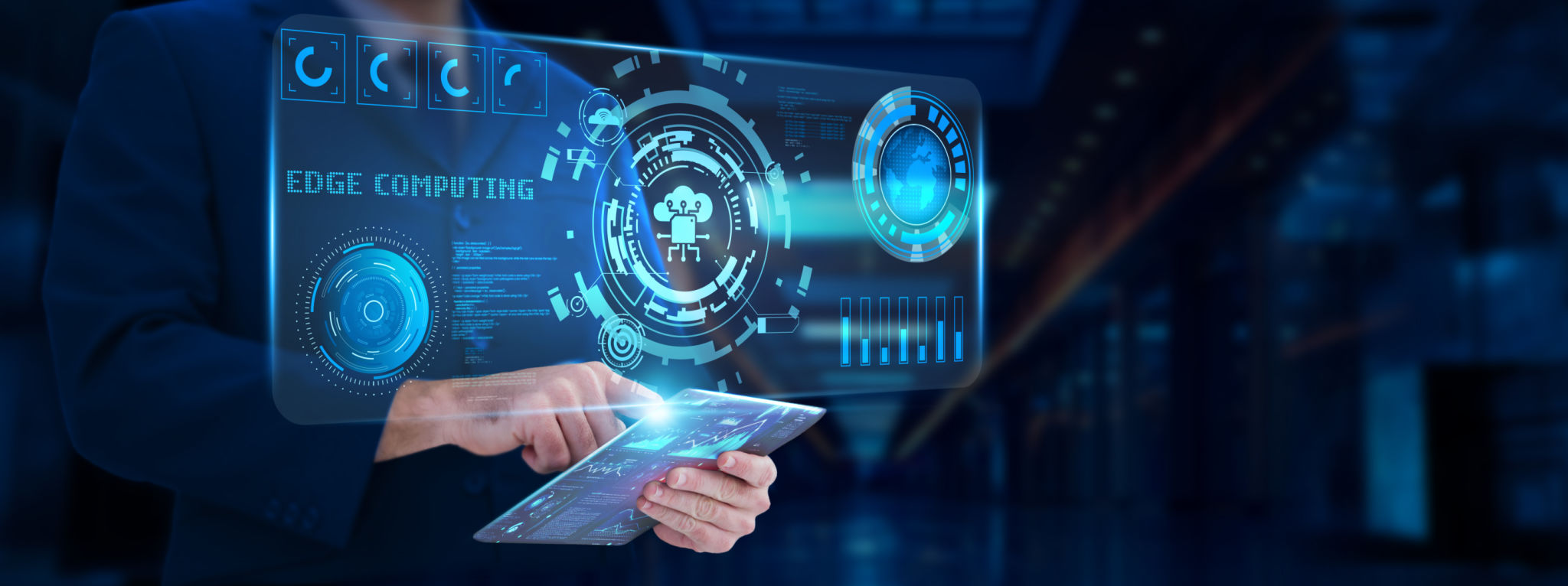
Edge computing is another critical trend, bringing computation and data storage closer to the data source. This approach reduces latency and bandwidth use, making it ideal for applications requiring real-time processing. Networking solutions are adapting to support distributed architectures necessary for effective edge computing.
Use Cases for Edge Computing
Edge computing supports various use cases, including:
- Real-time analytics for IoT devices.
- Enhanced performance for remote work solutions.
- Improved data processing for autonomous systems.
Conclusion
Networking solutions are continuously evolving, driven by technological advancements and changing business needs. By staying informed about trends like 5G, SDN, and edge computing, organizations can enhance their network infrastructure and remain competitive. As these technologies mature, they will undoubtedly unlock new opportunities and challenges for businesses worldwide.