Exploring IT Equipment Buyback Programs: A Smart Solution for Upgrading
Understanding IT Equipment Buyback Programs
In today's fast-paced technological world, staying up-to-date with the latest IT equipment is crucial for businesses. However, frequent upgrades can be costly and environmentally challenging. This is where IT equipment buyback programs come into play. These programs offer a sustainable and cost-effective solution for upgrading your technology while minimizing waste.

The Benefits of IT Equipment Buyback Programs
IT equipment buyback programs provide numerous benefits. Firstly, they allow companies to recover some of the initial investment made on outdated technology. By selling old equipment back to the provider, businesses can receive financial returns that can be reinvested into new technology.
Moreover, buyback programs contribute to environmental sustainability. Electronic waste is a significant concern, and these programs ensure that old equipment is either refurbished, recycled, or disposed of responsibly. This reduces the overall carbon footprint and supports eco-friendly practices.
Cost-Effective Upgrading
One of the primary advantages of participating in a buyback program is the cost-effectiveness it offers. Companies can offset the cost of new equipment by trading in their outdated devices. This approach not only saves money but also facilitates a smooth transition to more advanced technology.
How IT Equipment Buyback Programs Work
Understanding how these programs operate is essential for making the most of them. Typically, the process involves evaluating the condition and market value of your current equipment. Once assessed, you receive a quote, and if acceptable, the equipment is collected, and payment is processed.
The collected equipment is then either refurbished for resale or recycled responsibly. This ensures that nothing goes to waste and supports a circular economy in technology.
Choosing the Right Program
When selecting a buyback program, it's crucial to consider factors such as the reputation of the provider, the range of equipment they accept, and the overall terms and conditions. Researching these aspects can help ensure you choose a program that aligns with your business needs.
Implementing a Buyback Strategy
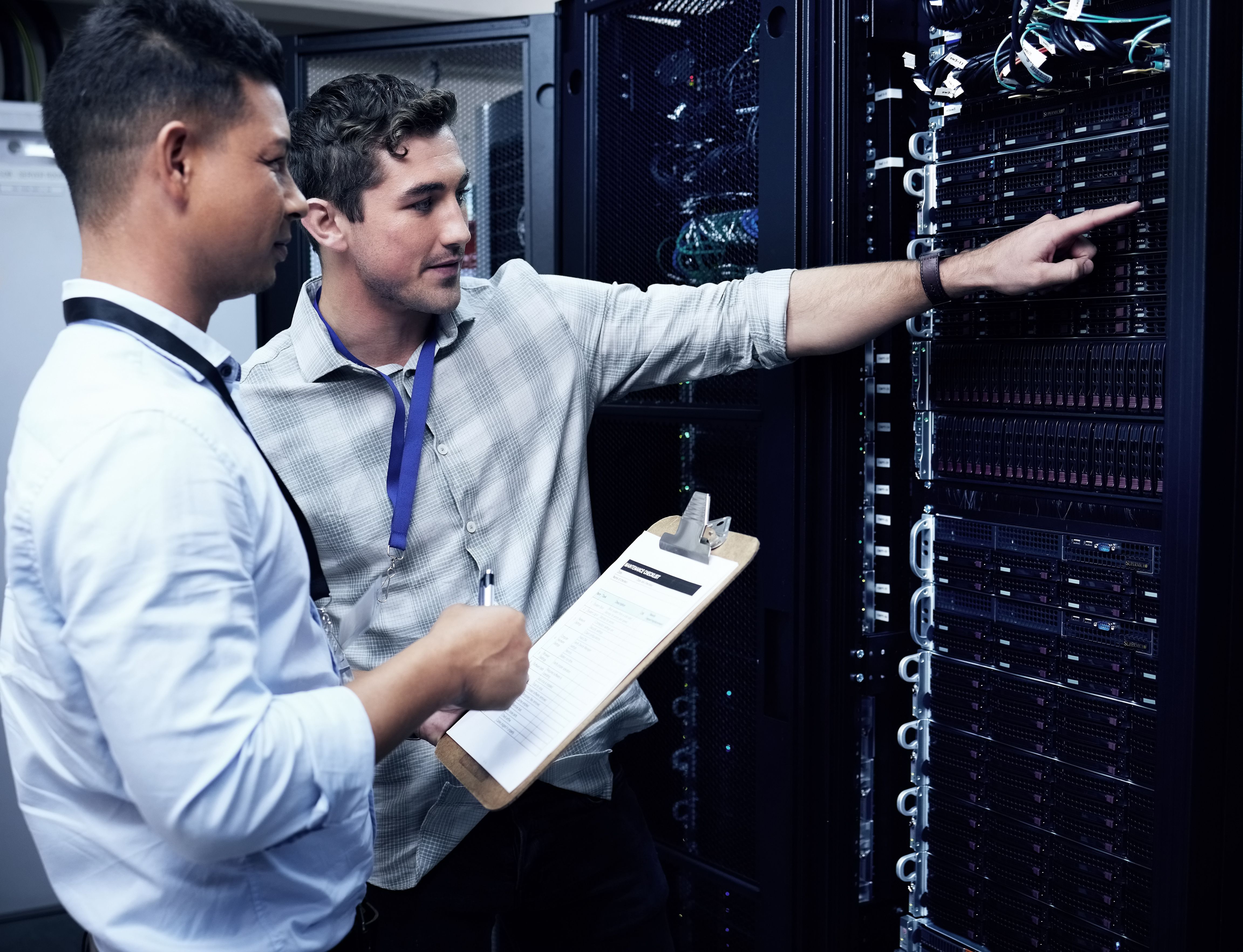
Integrating a buyback strategy into your business model requires planning. Start by conducting an inventory of your current IT assets to determine what can be sold back. Collaborate with your IT department to set a timeline for upgrades and coordinate with a reputable buyback provider.
Additionally, educating your team about the benefits of buyback programs can ensure smoother implementation. Encourage employees to take part in the process by highlighting the environmental and financial advantages.
Long-Term Benefits
Adopting a buyback program offers long-term benefits beyond immediate financial returns. It supports sustainable business practices, enhances corporate social responsibility, and demonstrates a commitment to innovation. Businesses that regularly update their technology are better positioned to stay competitive in an ever-evolving market.
In conclusion, IT equipment buyback programs are a smart solution for businesses looking to upgrade their technology efficiently and sustainably. By participating in these programs, companies can enjoy financial savings, contribute to environmental protection, and stay ahead in the technology curve.